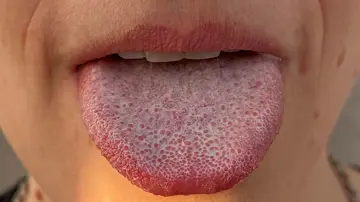
Researchers from Sveriges lantbruksuniversitet and Uppsala universitet have identified a biological explanation for persistent taste loss in individuals affected by long COVID. While temporary taste disturbances are common during acute infection with SARS CoV 2, some patients continue to experience altered taste for more than a year after recovery.The study examined 28 individuals who had tested positive for COVID 19 and reported taste disorders lasting longer than 12 months. Using taste assessments and tissue samples from the tongue, researchers discovered that the issue is linked to disruptions in specific taste cells responsible for detecting sweet, bitter, and umami flavors. Molecular analyses showed reduced levels of an mRNA that codes for the protein PLCβ2, which is essential for transmitting taste signals from these cells to the brain.Interestingly, the structure of the taste buds and their nerve connections appeared largely normal under microscopic examination. This suggests that the dysfunction is not due to visible damage but rather to changes at the cellular and molecular level. The findings represent the first clear link between patients’ reported taste experiences, clinical test results, and an underlying biological mechanism.The research provides important insight into long COVID symptoms and may contribute to future therapeutic strategies aimed at restoring taste function.
Source:Sveriges lantbruksuniversitet
About the Author