At the Faculty of Humanities of Eötvös Loránd University (ELTE), a new approach to evaluating research is taking shape. Csanád Bodó, associate professor and CoARA-funded researcher, is leading an initiative that moves beyond traditional metrics like rankings and journal impact factors, placing collegial feedback and qualitative evaluation at the center of academic assessment.
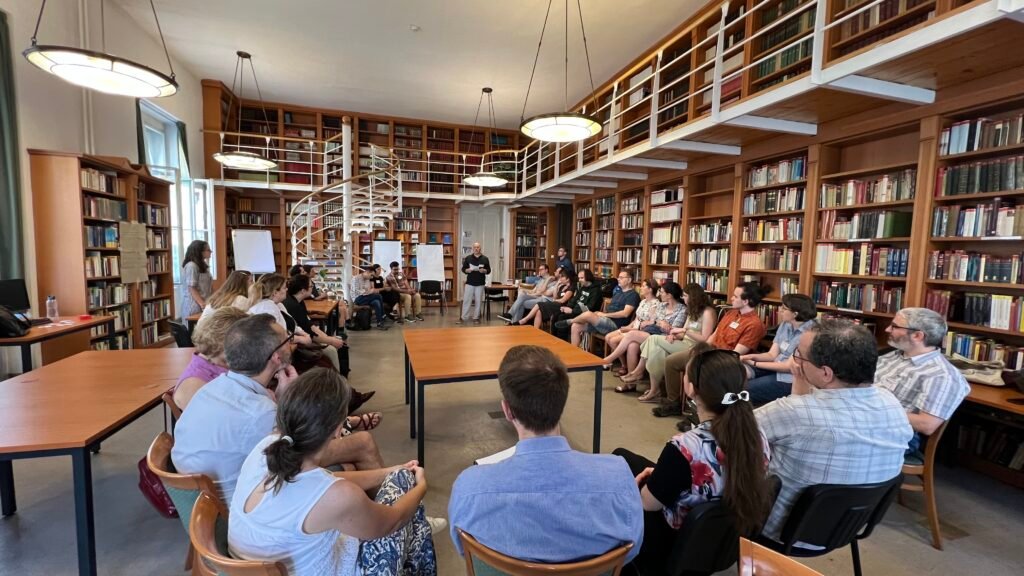
The project, involving lecturers and doctoral students, introduced részvételi tanácsolás—a participatory counsel modeled on a citizens’ jury—where 25 researchers spent three days debating and shaping proposals for reform. Innovative methods such as “six thinking hats” and a “language picnic” encouraged open discussion and collective decision-making.
One of the key outcomes is the distinction between “selective” assessment, which informs promotions and rewards, and “supportive” assessment, which helps researchers improve their work and career development. The initiative underlines the importance of peer review throughout a researcher’s career, promoting collaboration and shared responsibility.
Faculty leadership welcomed the recommendations, noting the challenge of scaling supportive assessment across the whole research community. A pilot study involving twelve researchers integrating self- and peer assessment is set to conclude by the end of 2025, with results to be published online next year.
The ELTE initiative aligns with CoARA principles: recognizing diverse contributions, emphasizing qualitative evaluation, and moving away from simplistic reliance on bibliometric indicators.
Source: ELTE
About the Author