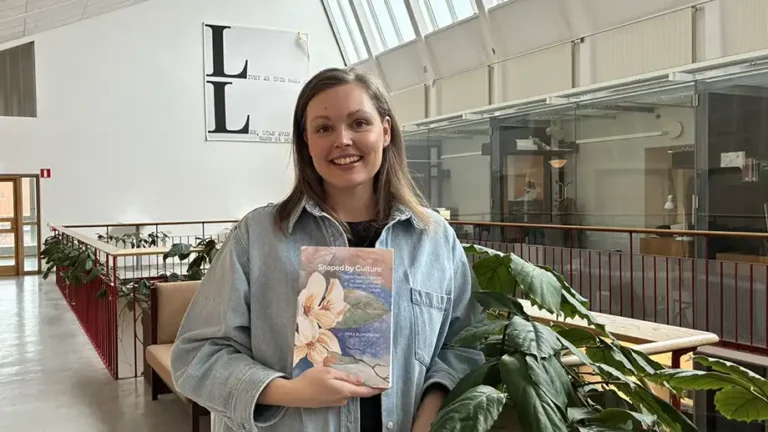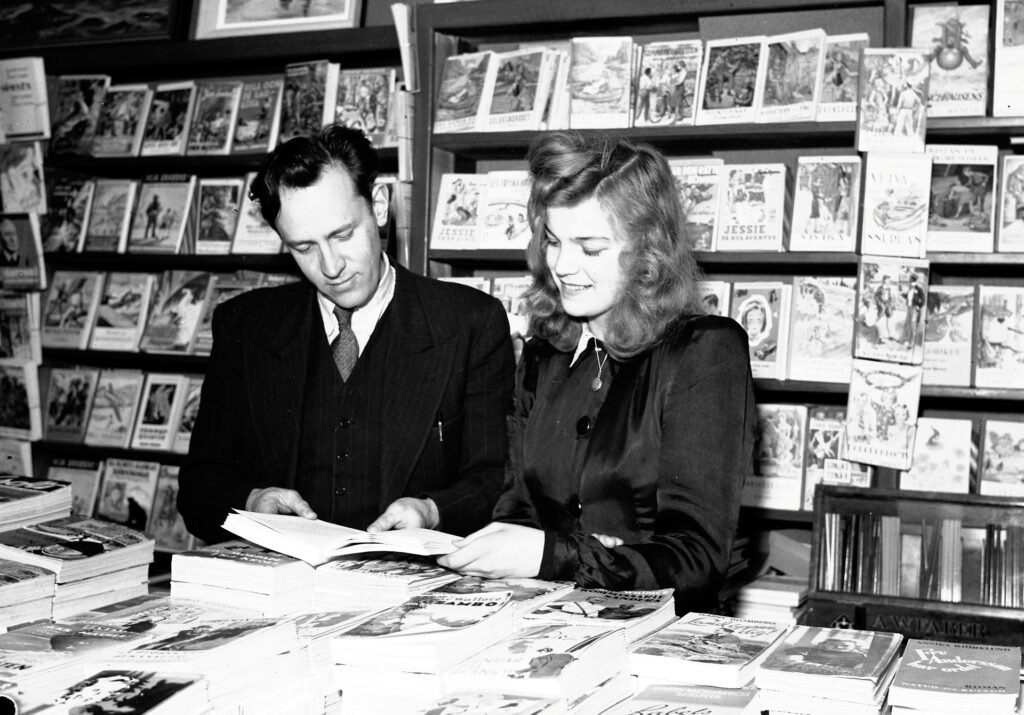
Historian Emma Flärd, a doctoral student at Stockholm University, studies Swedish “marriage novels” from the 1930s to the 1950s to understand how societal ideals of love, intimacy, and partnership were portrayed and how they continue to influence contemporary relationships. Unlike traditional romance novels, marriage novels focus on life after the wedding, exploring everyday challenges, shared responsibilities, conflict, infidelity, and the emotional labor required to sustain a marriage.
Flärd notes that these novels often emphasize equality between partners, shared burdens, and the importance of emotional closeness. Sexuality is also a recurring theme, framed not just as duty but as a source of pleasure, intimacy, and compatibility. Divorce, infidelity, and non-traditional relationships appear frequently, highlighting ongoing tensions around gender, power, and social expectations.
She argues that these works were intended as didactic tools, helping readers reflect on good and bad marriages. By examining these texts, Flärd shows that concerns about love, equality, and balancing family and personal life, often considered modern issues, were already central in mid-twentieth-century Sweden.
Source: Stockholm University
About the Author