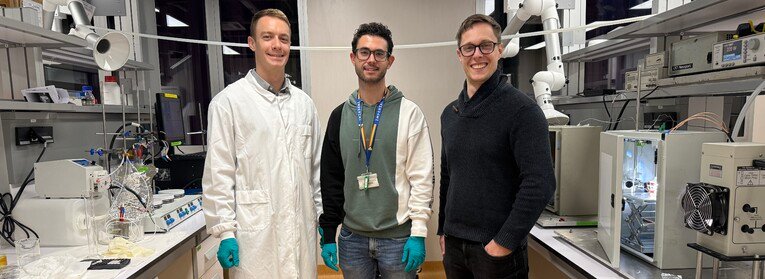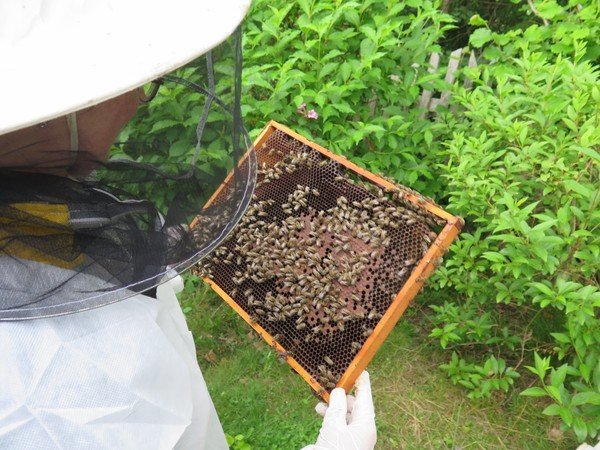
Scientists from the Faculty of Science at Palacký University Olomouc have launched a new four-year research project aimed at helping beekeepers reduce losses of bee colonies caused by varroosis. The disease, linked to the parasitic mite Varroa destructor, is one of the most serious threats to bees and can destroy entire apiaries, affecting honey production and beekeepers’ livelihoods.The project is funded by the National Agency for Agricultural Research under the Czech Ministry of Agriculture. According to project leader Jiří Danihlík from the university’s Department of Biochemistry, the initiative was created in response to the need to modernize the outdated system used to monitor the spread of the disease in bee colonies.Researchers plan to introduce a new monitoring system that allows year-round tracking instead of the current winter-only inspections, which are less effective because the mite multiplies most actively during warmer periods. The system will include a specially developed smartphone application that enables beekeepers to diagnose the disease directly in the field and share data with scientists.The project will also analyze satellite data and use statistical methods to better understand the factors influencing bee health. Researchers will build on long-term data collected through the international bee-monitoring network COLOSS, which has gathered information on bee colony losses since 2014.The initiative combines laboratory research with practical cooperation with beekeepers. Workshops, conferences, educational videos and practical guides will be produced to help beekeepers apply the findings in real conditions and improve protection of their colonies.
Source: Palacký University Olomouc
About the Author