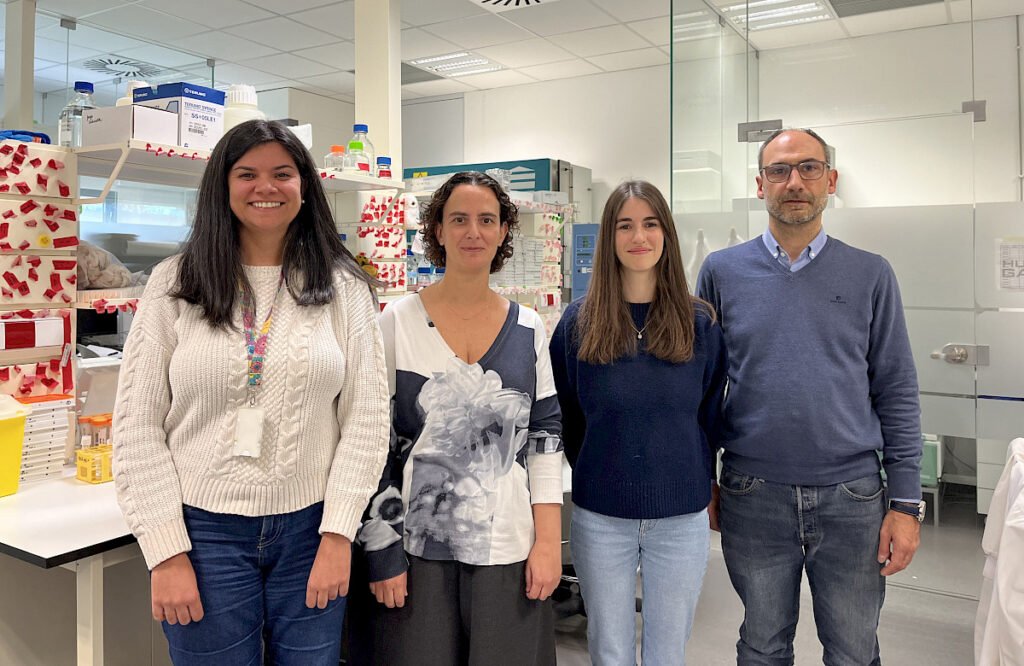
A study led by the University of Coimbra has identified new factors that explain the high virulence of the multidrug resistant bacterium Staphylococcus aureus, opening the door to innovative therapeutic strategies to combat chronic and recurrent infections.
Conducted by researchers from the Centre for Neuroscience and Cell Biology, the research reveals how the bacterium survives and multiplies inside human cells, evading immune responses and resisting antibiotics. Published in Nature Communications, the study identified 73 genes linked to intracellular survival and virulence, as well as a new regulatory role for the enzyme PncA in controlling bacterial metabolism and pathogenicity.
These findings provide valuable targets for the development of new treatments and deepen understanding of host pathogen interactions, reinforcing the university’s contribution to global health research.
Source: University of Coimbra
About the Author