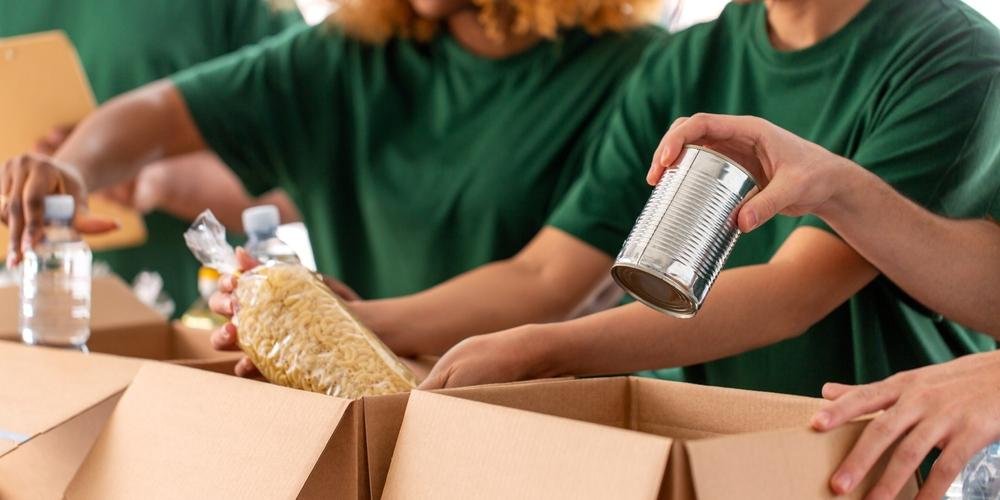
russels, 14 February 2026 — Young people do not enjoy equal opportunities when it comes to volunteering, according to new research by Vrije Universiteit Brussel (VUB) scholars featured in the recently published thematic volume JONGeren in Meervoud. The study highlights how social background, education, and migration status continue to shape who gets involved in civic engagement.
The research, led by VUB academics Fien Pauwels, Bram Spruyt and Jessy Siongers, draws on data from more than 2,300 young people in Flanders and Brussels. Their findings reveal that formal volunteering remains strongly influenced by socio-economic status, with young people from higher-income families significantly more likely to participate. Those with Turkish or Moroccan backgrounds were found to be notably underrepresented.
“Young people with a migration background are still too often not seen as the ‘ideal volunteer’,” said Pauwels, pointing to biases within organisations that affect recruitment and participation. The study also shows how overlapping inequalities can deepen exclusion — for example, girls of Turkish origin are even less likely to volunteer than their male peers.
The researchers found that engagement often builds on prior involvement. Young people already active in informal roles, such as helping friends or taking on caregiving responsibilities, were more likely to transition into formal volunteering. Membership in associations also increased the likelihood of organised civic participation, suggesting that “engagement breeds engagement.”
Interestingly, the findings challenge the so-called time-scarcity hypothesis, which argues that young people lack time for multiple forms of engagement. Instead, the data indicate that involvement in one area can serve as a stepping stone to broader participation.
Education emerged as another decisive factor. Students in vocational and dual-track programmes were significantly less likely to volunteer than those in academically oriented tracks preparing for higher education. Researchers attribute this gap to time constraints, weaker social networks, and the way organisations approach potential volunteers.
“Socialisation through education strongly determines who gets the opportunity to volunteer,” Pauwels noted, adding that many organisations unconsciously favour candidates who resemble existing volunteers — typically those from more privileged backgrounds.
source: Vrije Universiteit Brussel
About the Author