Hungary
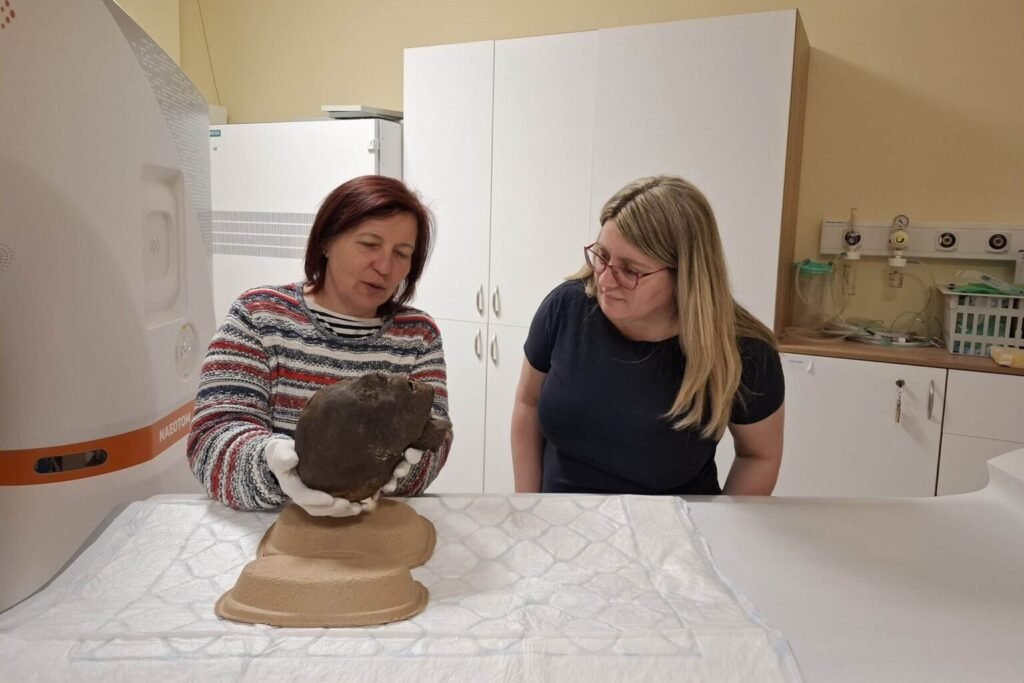
Semmelweis University has conducted advanced examinations of ancient Egyptian mummy remains using cutting edge CT imaging technology, revealing new scientific insights into artifacts over 2000 years old.The research was carried out at the university’s Medical Imaging Center, where experts analyzed remains from the Semmelweis Museum of Medical History using a next generation CT scanner with photon counting technology. This approach enabled highly detailed, non destructive imaging of the mummified specimens.The findings include remains dating back as far as 401 to 259 BCE, offering researchers a rare opportunity to study ancient human biology and mummification techniques. The new scans provide significantly improved detail compared to previous examinations, allowing scientists to analyze skeletal structures, teeth, and internal features with greater accuracy.Researchers identified possible health conditions such as osteoporosis in one specimen and gained new insights into the age and development of others. In one notable case, a specimen previously believed to be a mummy bundle or even a bird was confirmed to be a human foot, highlighting the importance of modern imaging in correcting earlier assumptions.The technology also opens the door to future 3D and facial reconstructions, as well as deeper analysis of ancient diseases and preservation methods. Experts emphasize that these techniques allow scientists to uncover valuable historical and medical information without damaging the fragile remains.Ongoing analysis is expected to further expand understanding of the lives, health, and burial practices of ancient Egyptians, demonstrating how modern medical technology can transform archaeological research.
Source: Semmelweis University Hungary
#WordMain #StudentNewsPortal #Europe #studentnews
About the Author