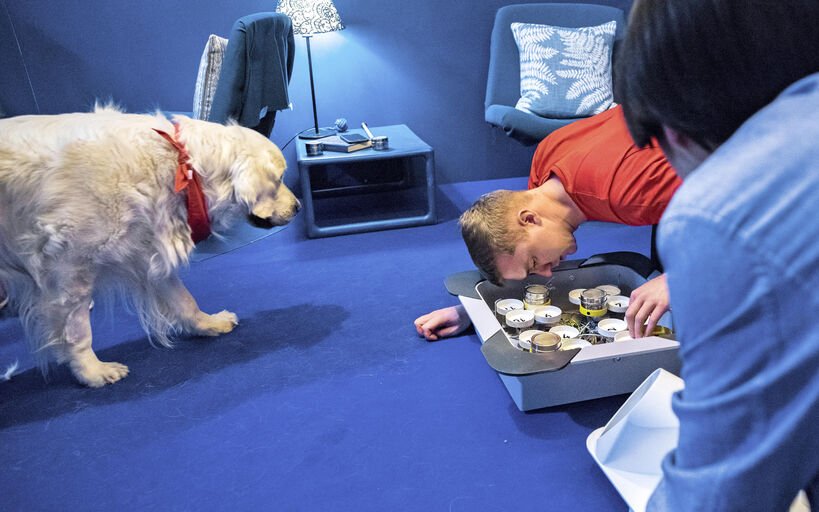
Finland | A new study by Aalto University, in collaboration with the University of Turku, reveals that assistance dogs play a far more active role in human care than previously understood.The research found that assistance dogs do not simply follow commands but can anticipate their owner’s needs through non-verbal communication. By interpreting subtle gestures, movements, and emotional cues, these dogs provide mobility support, monitor health conditions, and offer emotional care.According to researcher Astrid Huopalainen, the relationship between humans and assistance dogs is built on mutual trust, where both learn to understand each other over time. This bond allows dogs to respond independently in critical situations, such as detecting changes in blood sugar levels for individuals with diabetes.The study also highlights that humans often rely on their dogs’ judgment, shifting the traditional view of care from one-sided to a mutual relationship. Assistance dogs are described as active caregivers rather than passive helpers.Based on observations of 13 assistance dog partnerships, the research emphasizes the importance of recognizing animals as intelligent contributors in healthcare and society. Researchers hope the findings will encourage broader discussions about the role and well-being of working animals.
Source: Aalto University
#WordMain #StudentNewsPortal #Europe #studentnews
About the Author