Poland
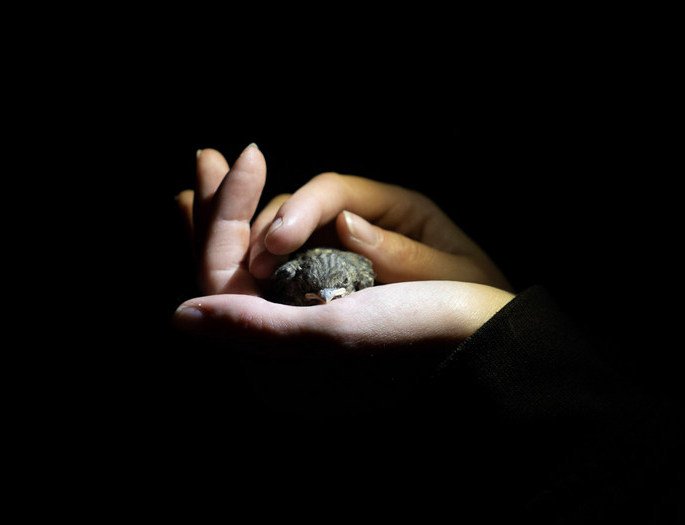
New research from Jagiellonian University reveals that artificial light at night is significantly altering the lives of birds, affecting everything from their biological rhythms to family interactions.Scientists found that exposure to nighttime lighting interferes with the natural day-night cycle, reducing melatonin levels and disrupting sleep and activity patterns. These effects lead to changes in metabolism and breeding cycles, highlighting how sensitive wildlife is to environmental light pollution.A field experiment on migratory birds showed particularly striking results. Nestlings exposed to artificial light became active during the night, frequently begging for food outside normal hours. This disrupted the natural balance between offspring and parents, forcing adult birds to extend their activity time without improving feeding efficiency.As a consequence, chicks in illuminated nests developed more slowly and showed lower survival rates later in life. Researchers warn that even small developmental delays can have long-term consequences for migratory species, whose life cycles depend on precise timing.The study emphasizes that artificial lighting is not a minor issue but a growing environmental concern. Researchers suggest that reducing unnecessary lighting, especially at night, could significantly lessen its impact on ecosystems without compromising human safety.
Source: Jagiellonian University
#WordMain #StudentNewsPortal #Europe #studentnews
About the Author