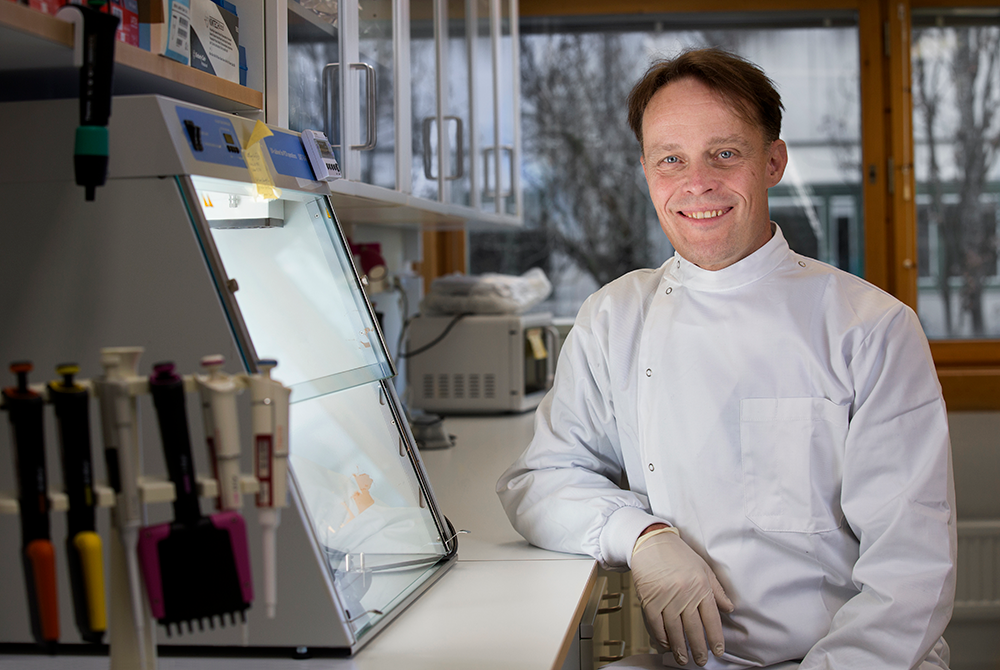
Sweden | leading pioneer in molecular archaeology has been elected to the Royal Swedish Academy of Sciences. The appointment recognizes decades of groundbreaking work using genetic information to solve complex archaeological questions. By extracting and analyzing ancient DNA, the researcher has fundamentally changed how science tracks human migration and prehistoric health. The scholar, who helped establish a specialized center for palaeogenetics, famously proved the versatility of ancient genetic material by analyzing Stone Age tree resin chewed by humans on the Swedish west coast. The biological data not only established the geographic origins of those prehistoric individuals, but also provided clear evidence of severe dental infections and a detailed record of what they had eaten right before chewing the resin.While initial research concentrated on the Stone Age and the early spread of agriculture across Europe, recent initiatives have turned toward human remains from the Iron Age, Viking Age, and medieval periods. By matching the genomes of 17,000 contemporary individuals with ancient genetic data retrieved from sunken warships, defensive hillforts, and boat burials, the research team successfully mapped the historic gene flow that shaped Scandinavia, revealing distinct migration influences arriving from both the east and the west over centuries.
Source: Stockholm University
#WordMain #StudentNewsPortal #Europe #studentnews
About the Author