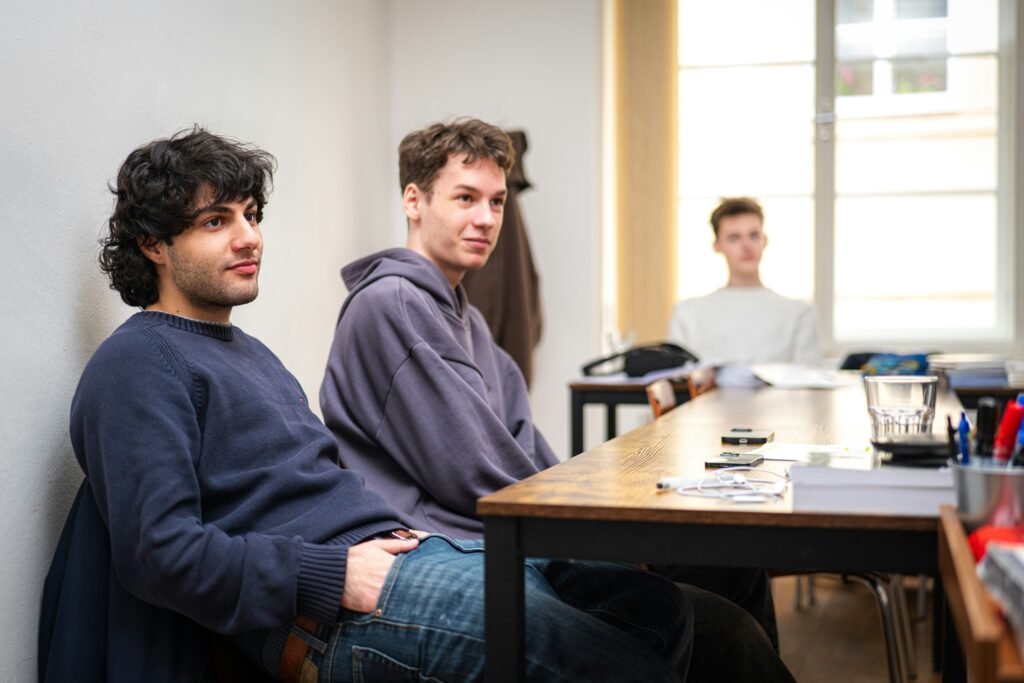
International students across Europe are increasingly reporting that studying abroad comes with challenges that go far beyond academics. Many say that while universities provide access to education, everyday life in a new country often involves navigating complex systems, limited support, and difficulties entering the job market.
Students describe gaps between their legal right to work and the reality of finding employment, with issues such as language requirements, employer hesitation, and administrative delays making it harder to gain practical experience. Some also report that even when opportunities exist, competition and lack of local networks create additional barriers.Beyond employment, students highlight social and cultural adjustment struggles, including feelings of isolation and the pressure to adapt quickly to unfamiliar academic and living environments. Many say they rely heavily on personal resilience, informal networks, and trial-and-error strategies to manage both studies and daily life.
The discussion reflects a broader concern among international students in Europe about whether current systems truly support inclusion or simply provide access without ensuring equal opportunity in practice.
About the Author