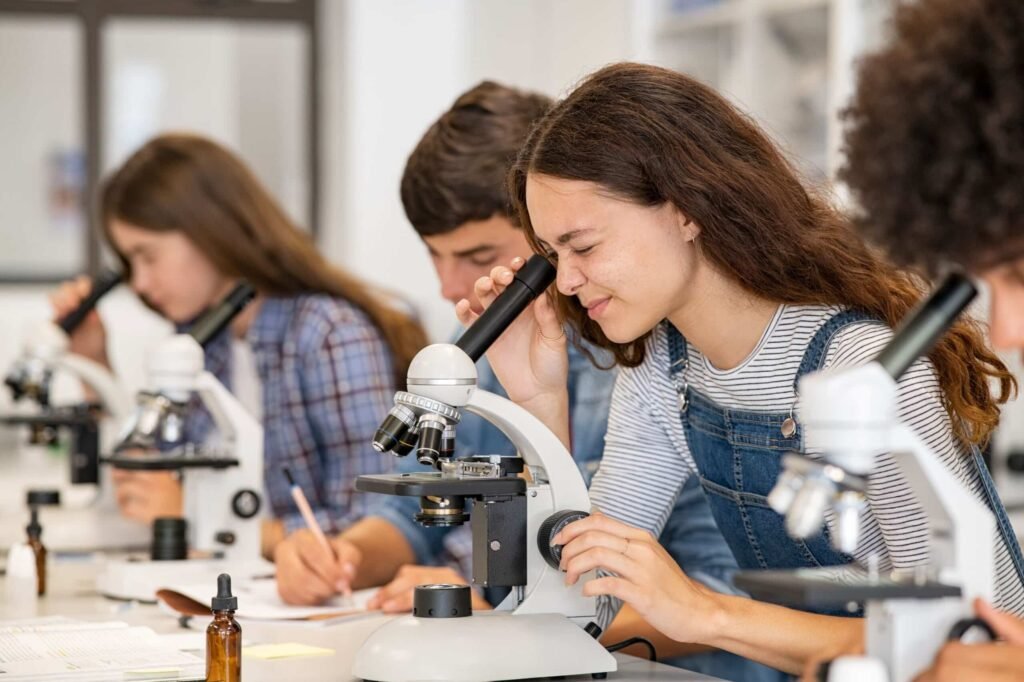
Austria | Many students say one of the biggest frustrations in science education is that lessons often focus on memorizing facts rather than exploring real-world problems through investigation and discovery.
Learners report that while they study scientific theories, they rarely get opportunities to contribute to actual research projects or collect meaningful data that can be used beyond the classroom. As a result, some students struggle to see how science connects to everyday life, environmental challenges, and future careers.
Education specialists argue that limited hands-on research opportunities can reduce curiosity and engagement, particularly among students who learn best through exploration. Without chances to ask their own questions and analyze real data, many students feel more like passive learners than active participants in science.
The concern reflects a wider student voice across education: young people want science learning to be more connected to real-world discovery, allowing them to develop critical thinking skills while contributing to issues that matter beyond exams and textbooks.
#WordMain #StudentNewsPortal #Europe #studentnews
About the Author