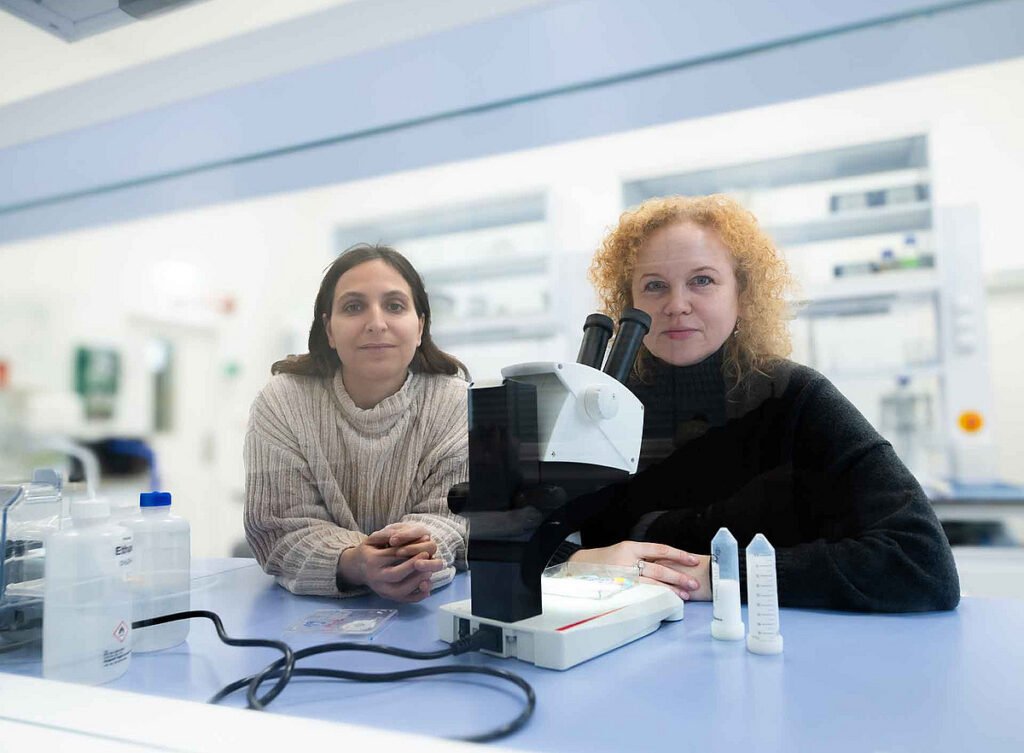
Researchers at the University of Graz have found that titanium dioxide (TiO₂), commonly used in cosmetics like sunscreen, toothpaste, and lotions, is entering the environment as nanoparticles and posing risks to insects. When combined with the herbicide glyphosate, TiO₂ disrupts the development of ant offspring, specifically in the species Cardiocondyla obscurior.Biologists and chemists, including Dalial Freitak and Danae Nyckees, observed that these substances affect gut microorganisms and reproductive success in ants. While pollutants may not immediately increase mortality, long-term exposure could have significant ecological consequences. The study emphasizes the need for further research on interactions between environmental toxins.The research was conducted in collaboration with the Department of Chemistry at the University of Graz and published in Environmental Science and Pollution Research.
Source: University of Graz
About the Author