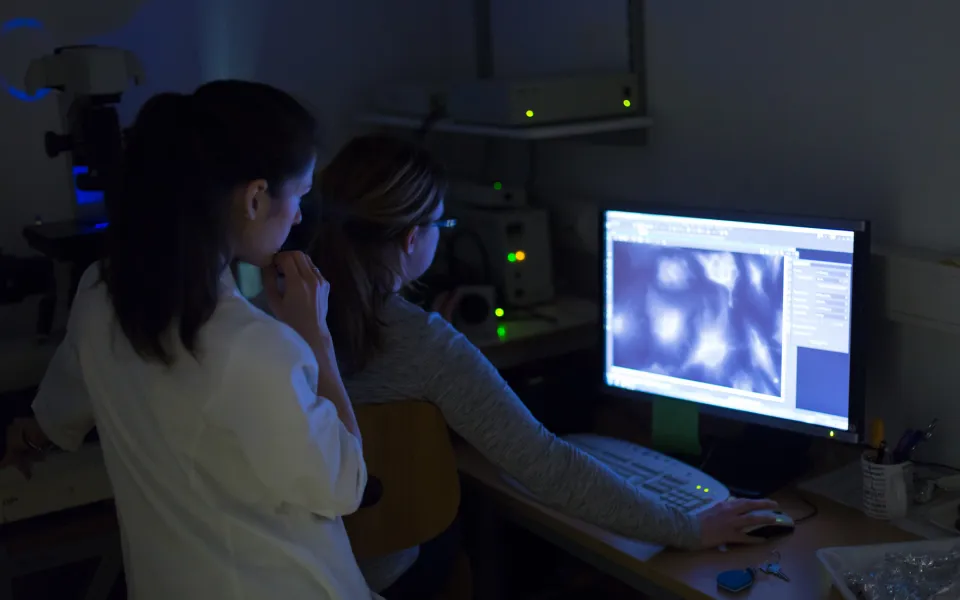
Finland | In a landmark breakthrough for cellular biology, researchers at the University of Helsinki’s Institute of Biotechnology have captured the first-ever detailed, in situ images of human gap junctions. The study, published in Science Advances, mapping out the intact structural “telephone lines” that cells use to directly communicate with one another, effectively solves a structural mystery that has baffled scientists for decades.Gap junctions are critical networks composed of intricate 2D lattices that physically bridge the cytoplasm of neighboring cells. These channels facilitate the rapid, isolated transmission of signals that synchronize vital physiological processes, ranging from coordinated heartbeat rhythms to accelerated wound healing. Historically, researchers studied these junctions via traditional protein purification methods, which extracted individual channels from their native environments. However, this process inadvertently stripped away the complex interconnected web of lipids, cholesterol, and trailing molecular “tails” (connexins) that define how the lattice functions as a collective unit.To overcome this limitation, the Helsinki team bypassed purification entirely by flash-freezing intact human cells. Utilizing a focused ion beam to slice the cells into micro-thin sections, they employed cryogenic electron tomography (cryo-ET) to compile snapshots into a highly detailed 3D composite.The resulting high-resolution imaging upended existing molecular theories. Investigators discovered a previously unseen, massive intracellular region known as the C-terminal domain. This specific region acts as a structural “molecular glue” that tethers neighboring channels together, with local lipids and cholesterol sealing the intermediate spaces. This structural breakthrough establishes a foundational roadmap for studying how these communication grids form or malfunction, offering crucial insight into genetic diseases driven by connexin mutations, such as hereditary deafness, skin disorders, and cardiac arrhythmias.
Source: University of Helsinki
#WordMain #StudentNewsPortal #Europe #studentnews
About the Author