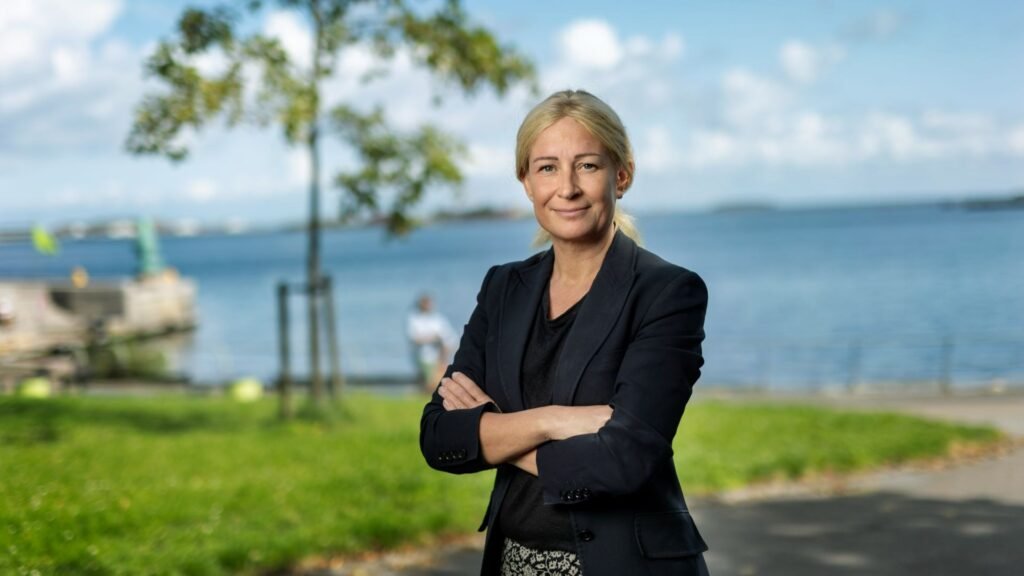
Denmark | Achieving fully sustainable maritime shipping requires a holistic strategy that balances carbon emission reductions, marine environmental protection, operational safety, and economic viability. While the shipping sector facilitates the vast majority of global trade, it currently accounts for 2–3% of global carbon emissions—a figure projected to rise alongside expanding world trade and geopolitical conflicts that force vessels into longer, more fuel-intensive routes.According to Mette Sanne Hansen, Head of Center at Maritime DTU, cross-sector international collaboration among research institutions, commercial industries, and global regulatory bodies is the single most critical factor for driving meaningful progress over the next decade. Because modern vessels have long operational lifespans and complex engineering, integrating new green technologies remains a slow and costly process. While the industry has made significant strides in environmental management—such as treating ballast water with ultraviolet light to stop invasive species, utilizing advanced anti-fouling hull coatings, and route-planning around fragile marine ecosystems—global standardization remains bottlenecked by ongoing international debates regarding carbon tax frameworks scheduled for 2029. Experts emphasize that there is no singular technological fix; future fleet sustainability will instead rely on a diverse matrix of scalable solutions tailored to specific trade routes, ranging from short-range electric batteries to long-haul alternative fuels like ammonia, methanol, and biofuels.
Source: Danmarks Tekniske Universitet
#WordMain #StudentNewsPortal #Europe #studentnews
About the Author