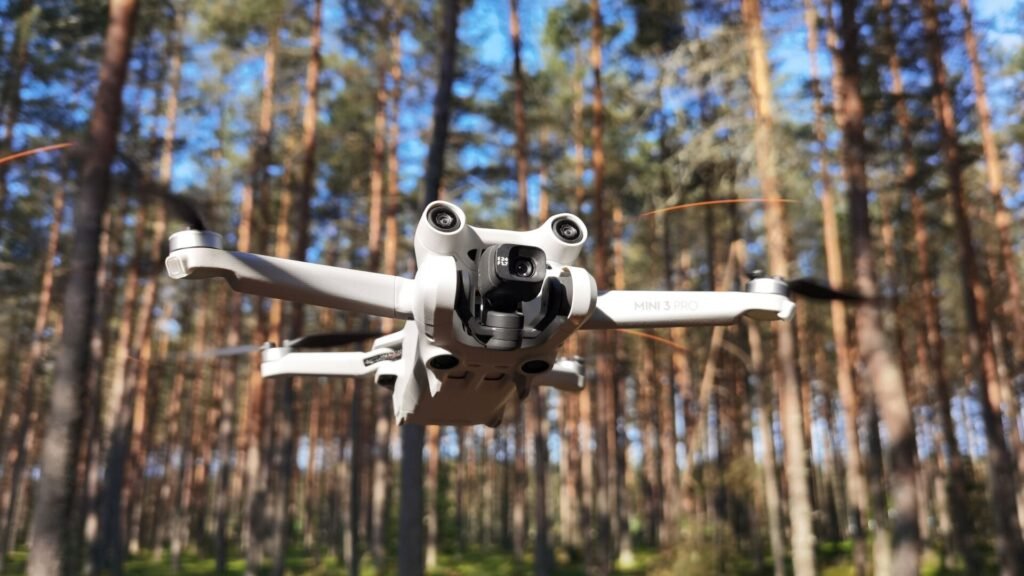
Portugal | Researchers from the Forest Research Center (CEF) at the Instituto Superior de Agronomia (ISA) are using advanced technology to protect Europe’s forests from devastating infestations. As part of the international FORSAID project—uniting 17 partners across 10 European nations—the team is pioneering the use of drones and artificial intelligence (AI) to establish early warning and real-time surveillance systems for destructive forest pests.To combat the pine wood nematode, a severe microscopic threat responsible for wiping out massive pine populations and causing massive job losses in the timber sector, scientists are taking to the skies. They are deploying camera-equipped drones over pine forests to detect early canopy decline. This aerial remote sensing allows local municipalities and forestry associations to pinpoint and remove sick trees before the disease spreads. To complement the aerial footage, researchers analyze environmental DNA (eDNA) collected from water traps to track the presence of pest-carrying insect vectors.Simultaneously, the institute is testing smart traps to monitor the pine processionary caterpillar, a seasonal pest that defoliates forests and poses a public health risk due to its stinging hairs. These innovative traps utilize internal cameras and AI algorithms to automatically identify and count the captured insects. The population data is then broadcast in real time to a smartphone app, enabling urban park managers and private forest owners to monitor pest levels instantly. The smart traps are currently undergoing field trials in Lisbon’s urban green spaces and the woodlands of Ribatejo.
Source: Instituto Superior de Agronomia da ULisboa
#WordMain #StudentNewsPortal #Europe #studentnews
About the Author