30.03.26
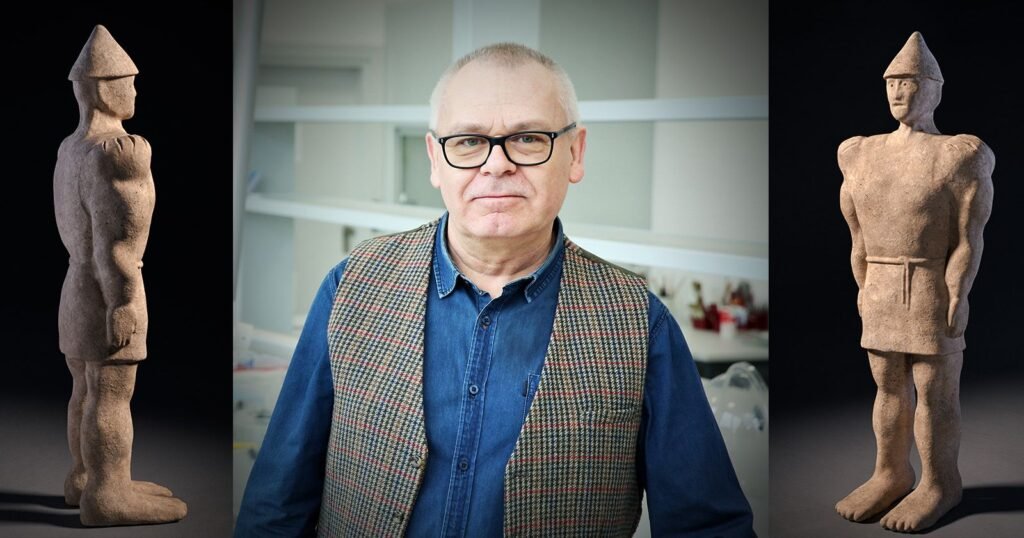
Researchers from Nicolaus Copernicus University in Torun have created a highly realistic digital reconstruction of a clay human figurine discovered at the archaeological site of Mirakowo Grodno, dating back to the early Iron Age.The reconstruction is based on fragments of human limbs found during excavations, offering one of the most detailed representations of a human figure from the Lusatian culture in present day Poland.Archaeological work at the site, led by Professor Jacek Gackowski since 1997, revealed evidence of settlement dating between the 8th and 6th centuries BCE, along with ceramics, wooden structures, and traces of daily life.The figurine’s craftsmanship suggests strong influences from the Hallstatt cultural sphere in Central Europe, indicating early cultural exchange between northern and southern regions of the continent.Despite decades of research, the purpose of the figurines remains unclear, with experts suggesting possible ritual or symbolic significance rather than everyday use.The project has received additional funding from Poland’s Ministry of Culture to further study the site and better understand the social, cultural, and environmental context of the ancient settlement.
Source: Nicolaus Copernicus University in Torun
About the Author