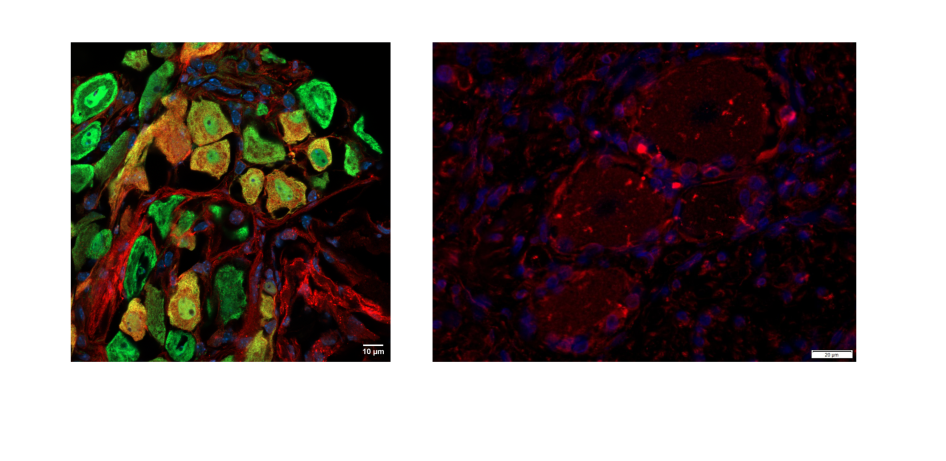
Belgium | A collaborative study by neurobiologists and clinicians has successfully decrypted a core biological mechanism responsible for the persistent pain experienced by long-COVID patients, proving that the symptoms are driven by an autoimmune response rather than psychosomatic factors.The research demonstrates that coronavirus infections can trigger the production of pathogenic Immunoglobulin G (\text{IgG}) autoantibodies. When isolated from patients and analyzed, these antibodies were found to bind precisely to the sensory neurons inside the spinal ganglia, which serve as the critical relay stations routing pain and sensory data to the brain. This targeted attack causes severe tactile and thermal hypersensitivity. Crucially, the study noted that these autoantibodies did not replicate cognitive deficits like “brain fog,” indicating that long-COVID’s physical and cognitive symptoms stem from entirely separate biological pathways. By identifying this clear biological marker, the findings open the door to targeted treatments designed to filter or eliminate these specific circulating antibodies from the blood.
Source: University of Namur / CHU UCL Namur
#WordMain #StudentNewsPortal #Europe #studentnews
About the Author