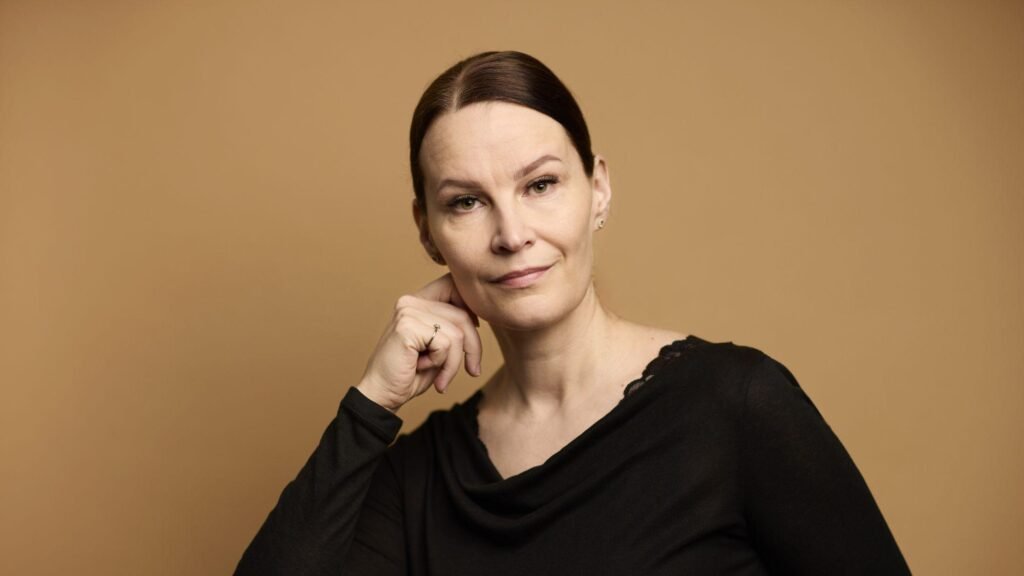
Poland | A pioneer in systems biology is leading a sub-theme investigation into why biological aging rates fluctuate drastically between individuals of identical chronological ages. The research program addresses aging as a full-body structural decline, tracking cellular degradation alongside social determinants to uncover how economic status shapes physiological resilience.The study highlights that lower socioeconomic status closely correlates with accelerated cellular degradation, which shows up as abnormal shifts in metabolic biomarkers like blood pressure and cholesterol levels. To translate these biological discoveries into direct medical solutions, the team is developing a specialized diagnostic frailty index. This clinical matrix evaluates an individual’s systemic vulnerability before major medical procedures, allowing emergency rooms and oncology clinics to quantitatively measure a patient’s actual recovery buffer instead of relying solely on chronological age.Significantly, the research upends the common belief that physiological fragility is exclusively an issue for the elderly. Long-term dataset evaluations prove that early biological warning signs of vulnerability appear as early as youth and middle age, frequently predicting heightened mortality risks decades before traditional geriatric conditions set in. The program emphasizes that combating societal inequality and safeguarding baseline healthcare accessibility are among the most effective systemic methods to improve overall public health lifespans.
Source: University of Oulu
#WordMain #StudentNewsPortal #Europe #studentnews
About the Author