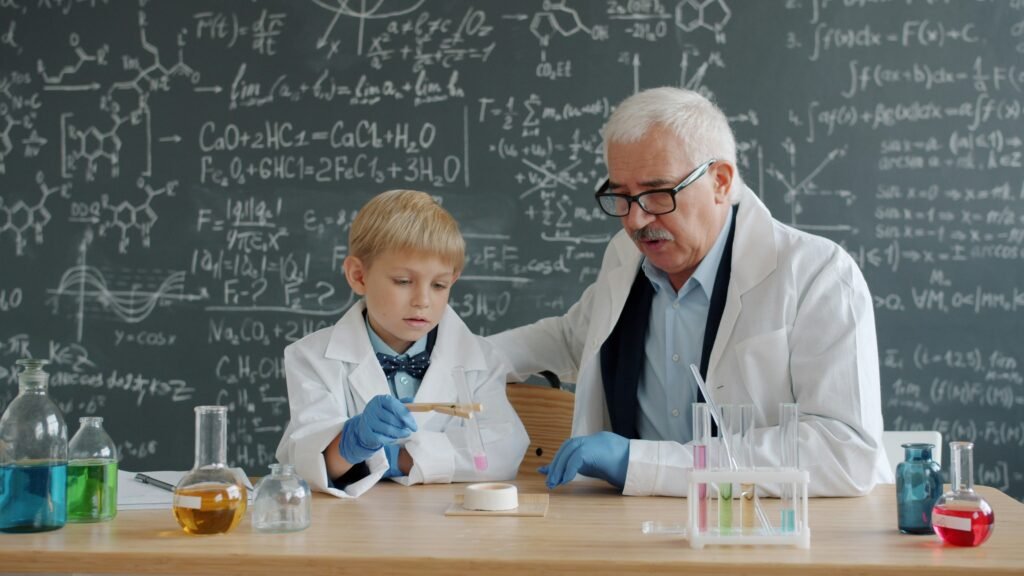
The traditional university lecture—where a professor drones at a chalkboard for hours while students passively copy down text—is officially facing an existential threat. Higher education is undergoing a massive shift toward Problem-Based Learning (PBL), a radical instructional method that throws students directly into the deep end of messy, real-world problems before they are even taught the answers.
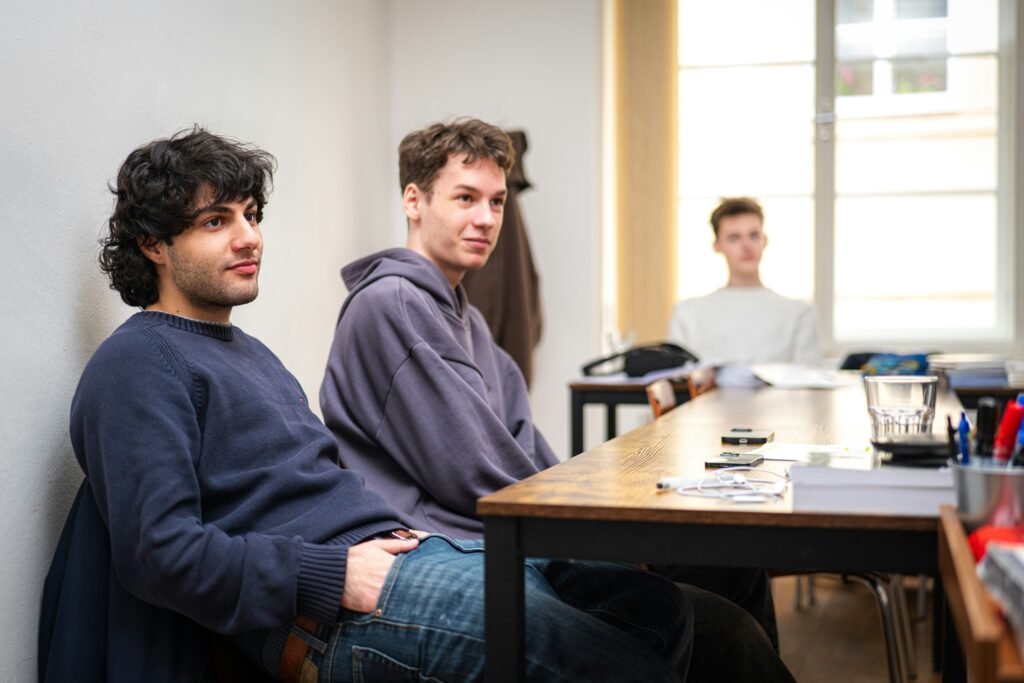
Instead of memorizing textbook formulas to pass a test, students work in tight collaborative groups to crack complex, open-ended scenarios that have no single correct solution. Through this high-friction approach, students are forced into aggressive self-directed learning—hunting down facts, debating strategies, and testing ideas out of sheer necessity. The role of the teacher is completely flipped from a “fountain of knowledge” to a mere facilitator who guides the debate from the sidelines.
Psychological research proves that this hands-on model builds incredibly flexible knowledge, sharp troubleshooting instincts, and lifelong learning habits. However, a major bottleneck remains: while PBL has successfully trained elite medical students and gifted individuals for years, academic experts warn that we still lack data on how less-skilled, struggling learners adapt to this high-pressure independence. If universities can bridge this gap and provide early support systems, this problem-first revolution could finally kill off passive rote memorization for good.
#WordMain #EuNewsPortal #Europe #StudentNews
About the Author