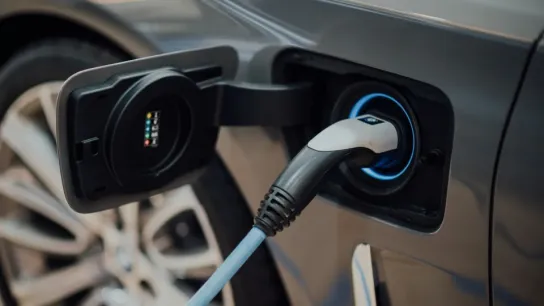
Sweden| A new study from Lund University reveals that battery technology for electric vehicles is evolving faster than expected, with markets showing strong adaptability to changes in raw material supply.The research, which analysed developments over the past 15 years, found that the electric vehicle industry has successfully adjusted to shortages and price increases by rapidly adopting alternative materials and technologies. This challenges the assumption that certain raw materials are critically limiting the energy transition.Researchers identified four major innovation leaps in battery development since the early 2010s. For example, cobalt—once widely used—has increasingly been replaced by nickel due to supply constraints and environmental concerns. More recently, lithium iron phosphate batteries have gained popularity as a lower-cost and less resource-intensive alternative to traditional nickel-manganese-cobalt batteries.The study highlights that the global electric vehicle market is robust, with over a quarter of all new cars now being electric and adoption accelerating in regions such as Southeast Asia. According to the researchers, this adaptability suggests that governments should be cautious when labeling certain materials as critical.Instead of focusing solely on expanding mining operations, the study recommends strengthening international cooperation and supply chain partnerships to support sustainable battery production. The findings underline the importance of innovation and flexibility in driving the global transition to clean energy.
Source: Lund University
#WordMain #StudentNewsPortal #Europe #studentnews
About the Author