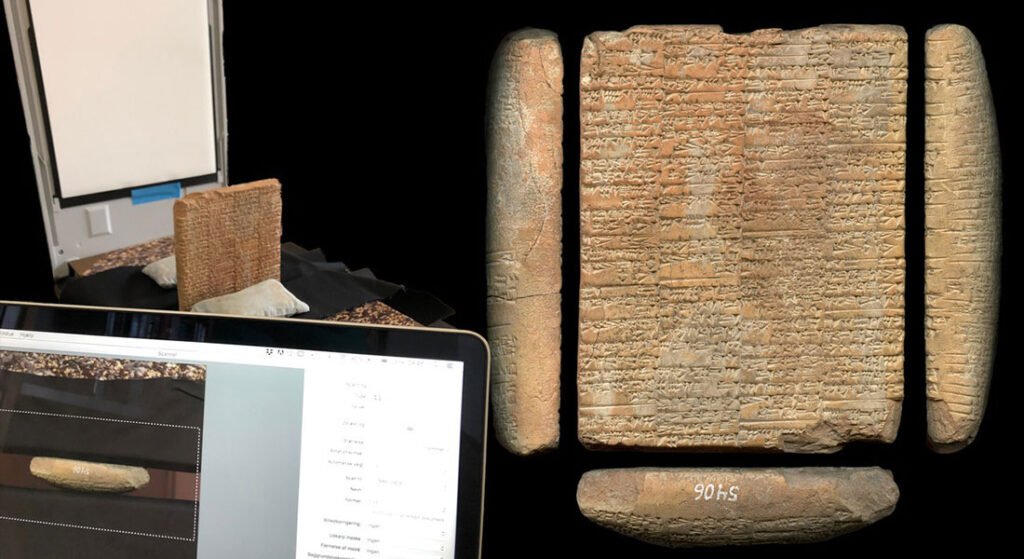
Denmark | Researchers from the University of Copenhagen, in collaboration with the National Museum of Denmark, have successfully analysed and digitised a remarkable collection of ancient clay tablets, some dating back more than 4000 years.The project, titled Hidden Treasures The National Museums Cuneiform Collection, has uncovered a wide range of texts written in extinct languages such as Sumerian and Akkadian. These inscriptions, written in cuneiform script, reveal insights into early civilisations of the Middle East, including administrative records, letters, medical treatments, and even magical rituals.Among the most notable discoveries is an anti witchcraft ritual tablet from the ancient city of Hama, dating back nearly 3000 years. Researchers believe such rituals played a crucial role in protecting Assyrian kings from misfortune and political instability.The collection also includes a rare regnal list referencing both mythical and historical rulers, potentially offering evidence linked to the legendary King Gilgamesh. In addition, everyday administrative texts were found, including what appears to be an ancient receipt for beer, highlighting the bureaucratic nature of early societies.By combining modern digital tools with ancient writing systems, the project sheds new light on how early urban civilizations functioned and evolved. Researchers emphasize that these findings demonstrate both the complexity of ancient societies and the enduring relevance of early record keeping systems.
Source: University of Copenhagen
#WordMain #StudentNewsPortal #Europe #studentnews
About the Author