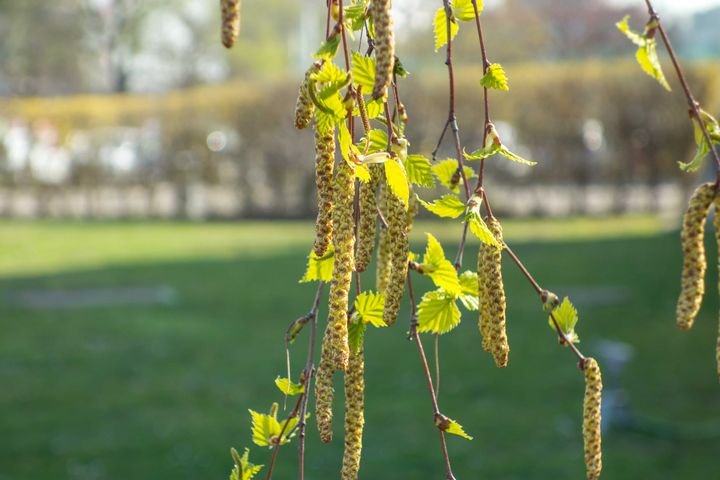
Austria | A new report from Medical University of Vienna highlights a relatively favorable pollen situation for participants of the 2026 Vienna City Marathon, while still urging precaution for allergy sufferers.According to experts from the university’s Pollen Service, the marathon—scheduled for mid-April—falls within a transitional phase of the pollen season. The peak period for birch pollen, typically the most significant allergen in April, has already passed. Ash pollen levels are also declining, and grass pollen has not yet begun to circulate, offering some relief for runners.However, the situation is not entirely risk-free. Birch pollen remains present at moderate to high levels, and several cross-reactive plants such as oak, beech, hornbeam, and hop beech are currently flowering. These can trigger allergic reactions similar to birch pollen, potentially intensifying symptoms.Additionally, plane tree pollen is currently dominant in Vienna’s urban environment and is expected to remain at high levels during the marathon weekend, depending on weather conditions.Medical experts recommend that runners with pollen allergies take preventive measures. These may include pre-medication, wearing sunglasses and hats during the race, and preparing according to individual allergy sensitivities. Those allergic only to grass pollen can expect minimal exposure during this period.Overall, while the timing of the marathon provides a relatively manageable pollen environment, participants—especially allergy sufferers—are advised to remain cautious and well-prepared.
Source: Medical University of Vienna Austria
#WordMain #StudentNewsPortal #Europe #studentnews
About the Author