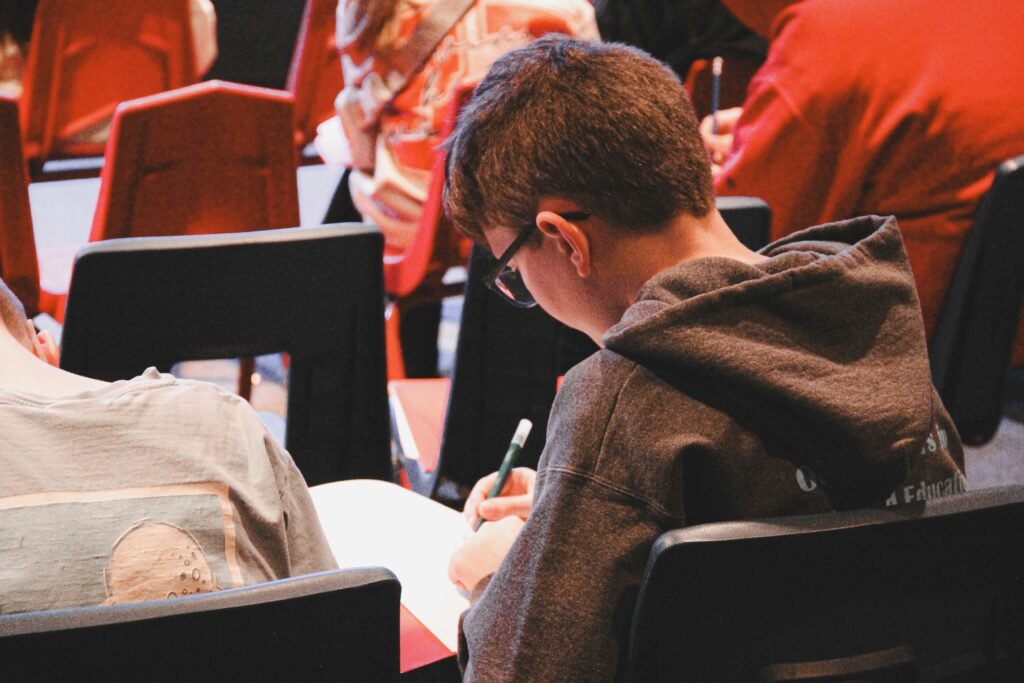
Medical students are entering a healthcare landscape filled with incredibly complex, systemic challenges. To fix them, we desperately need design thinking—a creative, problem-solving mindset that focuses on human needs. Yet, right now, our universities are keeping us locked inside rigid academic silos, completely starving us of the interdisciplinary collaboration needed to build real-world healthcare solutions.
A new study across Brown University, the Rhode Island School of Design (RISD), and the Warren Alpert Medical School highlights this exact student crisis. Researchers evaluated student exposure to design-thinking methods and their actual access to vital healthcare-specific design resources, including specialized courses, hands-on projects, industry mentors, and professional networks.
The findings expose a frustrating reality: despite being on campuses famous for innovation, students are facing highly limited opportunities to actually work together across different fields. This lack of connection leaves future doctors and designers intellectually stranded, unable to bridge the gap between medical science and user-centered design.
To shatter these barriers, a student-driven organization has stepped up. By fostering direct project-based learning, skill development, and cross-campus teamwork, these students are doing what their universities haven’t—proving that the future of medicine relies on breaking out of the classroom bubble to design better care together.
#WordMain #StudentNewsPortal #Europe #studentnews
About the Author